


About Sedona, Arizona | Official Guide of the Sedona Tourism Bureau
Almost the entire world knows that Sedona, strategically situated at the mouth of spectacular Oak Creek Canyon, is a unique place.
Our Mission & Vision
Visit Sedona exists to inspire and guide travelers to experience the transformative beauty and unique spirit of Arizona's Red Rock Country. We're dedicated to connecting visitors with authentic Sedona experiences—from our legendary red rock formations and mystical vortexes to our thriving arts community and rich cultural heritage.
Our vision is to be the most trusted resource for Sedona visitors while promoting sustainable tourism that preserves the natural wonder and cultural integrity that makes Sedona extraordinary. We believe every visitor should leave Sedona feeling inspired, rejuvenated, and connected to something greater than themselves.
The Heart of Sedona
Red Rock Majesty
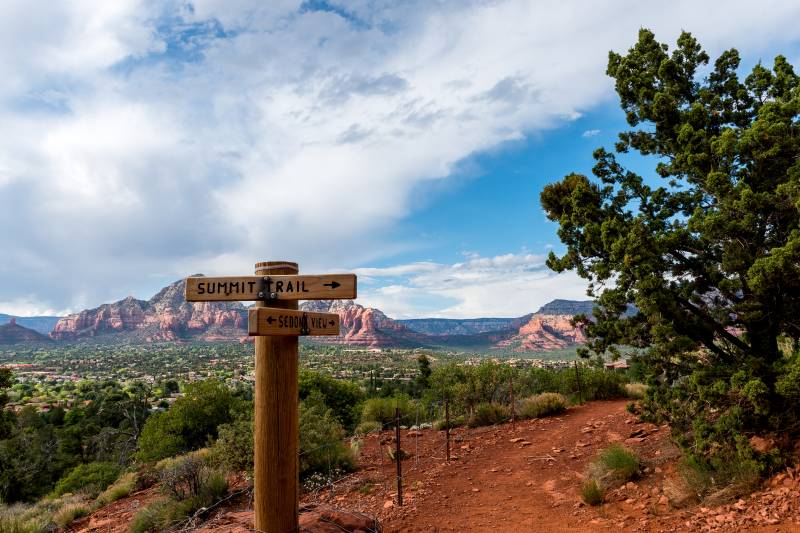
Sedona's stunning landscape is defined by towering red sandstone formations that glow brilliant orange and crimson when kissed by sunrise or sunset. These ancient formations, part of the 275-million-year-old Schnebly Hill Formation, create a natural cathedral that has drawn people to this special place for millennia. From iconic landmarks like Cathedral Rock and Bell Rock to the serene beauty of Oak Creek Canyon, our red rocks offer endless opportunities for exploration and wonder.
Energy Vortexes & Spiritual Significance
Sedona has earned worldwide recognition as a center for spiritual enlightenment and personal transformation. Our renowned energy vortexes—concentrated areas where the Earth's energy is believed to be especially powerful—attract seekers from around the globe. The four main vortex sites (Airport Mesa, Cathedral Rock, Bell Rock, and Boynton Canyon) offer unique experiences for meditation, healing, and self-discovery.
Whether you're drawn to the feminine, nurturing energy of Cathedral Rock or the balanced, harmonizing forces at Airport Mesa, these sacred sites provide powerful spaces for contemplation and spiritual connection. Even skeptics find themselves moved by the profound natural beauty and peaceful atmosphere that permeates these locations.
A Thriving Arts Community
Sedona's artistic legacy runs deep. Since surrealist pioneer Max Ernst and painter Dorothea Tanning made Sedona their home in 1946, artists have been drawn to our inspiring landscape. Today, Sedona boasts over 80 art galleries featuring everything from contemporary masterpieces to traditional Native American crafts.
Our vibrant arts scene comes alive monthly during First Friday in the Galleries, when galleries throughout Uptown and West Sedona open their doors for special receptions with drinks, live music, and opportunities to meet the artists. The Sedona Arts Center, established in 1958, continues to nurture creative discovery through classes, exhibitions, and community events. Notable art destinations include the picturesque Tlaquepaque Arts & Shopping Village, Hillside Sedona, and the gallery-dense State Route 179, affectionately known as "Gallery Row."
Our Rich History & Community Profile
The Story Behind Our Name
Sedona's name carries a unique story of creativity and chance. In 1877, Amanda Miller "just thought up" the name Sedona for her newborn daughter because she thought it sounded pretty. Twenty years later, when that daughter—Sedona Arabella Miller—married Theodore Carlton Schnebly and moved to Arizona's Oak Creek area, her name would become immortalized.
In 1902, T.C. Schnebly applied to establish a post office for the small settlement. After his first choices (Oak Creek Crossing and Schnebly Station) were rejected for being too long, his brother Ellsworth suggested simply naming it after his wife. The name was approved, and Sedona Schnebly became the namesake of what would grow into one of America's most beloved destinations.
From Settlement to City
Sedona's journey began in 1876 when John James Thompson became the first documented European-American settler in Oak Creek Canyon, discovering abandoned Native American gardens. The area's year-round flowing water from Oak Creek made agriculture possible in the high desert, and by 1902, approximately 55 residents called this remote area home.
Early Sedona thrived on fruit orchards—particularly apples and peaches—which found ready markets in Flagstaff and the mining boom town of Jerome. The community remained small and rural for decades, finally receiving paved streets and electricity in the 1950s. The town wasn't incorporated as a city until 1988, reflecting its evolution from an agricultural settlement to a world-class tourist destination.
Hollywood's Red Rock Stage
Sedona's dramatic landscapes caught Hollywood's eye early, with Zane Grey's silent film "Call of the Canyon" shot here in 1923. The golden age of Sedona filmmaking truly began in 1945 when John Wayne arrived to produce "Angel and the Badman," constructing a western town set, sound stage, and motel in what is now West Sedona.
Over the following decades, nearly every major studio and star worked in Sedona, including James Stewart, Henry Fonda, Joan Crawford, Glenn Ford, and countless others. More than 60 films were produced in our red rocks, cementing Sedona's place in cinematic history and bringing international attention to this remarkable landscape.
Ancient Heritage
Long before European settlement, Sedona was home to the Sinagua people, who lived here over 1,000 years ago. These skilled farmers and traders built cliff dwellings and left behind petroglyphs and pottery that tell stories of their sophisticated culture. Nearby sites like Montezuma Castle and Tuzigoot preserve their legacy. The area remains sacred to several Native American tribes, including the Hopi, Apache, and Yavapai, who continue to honor these ancestral lands.
Living in Sedona: Relocation & Civic Information
Geographic & Climate Profile
Sedona sits at 4,500 feet elevation in the Upper Sonoran Desert, straddling the county line between Coconino and Yavapai counties within the Coconino National Forest. Our city encompasses approximately 19 square miles of stunning red rock country, positioned 114 miles north of Phoenix and 110 miles south of the Grand Canyon.
Sedona enjoys mild winters and warm summers, with January average highs of 51°F and lows of 21°F, while July typically sees highs of 93°F and lows of 63°F. Annual precipitation averages around 19 inches, and as a designated Dark Sky Community, we're committed to preserving our spectacular night skies for stargazing.
Education & Healthcare
Education: Sedona is served by excellent schools and educational resources. Yavapai College's Sedona Center for Arts & Technology offers certificates in independent filmmaking, business partnerships, lifelong learning programs, and specialized courses.
Healthcare: Verde Valley Medical Center – Sedona Campus provides 24/7 emergency services, cancer services, and comprehensive primary and specialty healthcare. The facility is part of the Northern Arizona Healthcare system, ensuring quality medical care for residents and visitors.
Real Estate & Cost of Living
Sedona's cost of living is approximately 50% higher than the U.S. average, reflecting the premium of living in one of America's most beautiful settings. The real estate market offers diverse options from luxury homes with red rock views to condominiums and townhomes. With limited undeveloped land remaining as of recent years, Sedona real estate represents both a lifestyle investment and connection to an extraordinary natural environment.
Community Demographics
As of recent census data, Sedona's population is approximately 10,000-11,500 residents, though this swells significantly with seasonal visitors and second-home owners. The community is predominantly Caucasian (91%), with Native American (1.6%), Asian (0.6%), African American (0.4%), and Hispanic (5.5%) populations contributing to our cultural diversity.
Major Industries & Economy
Sedona's economy is anchored by tourism and hospitality, recreation, retail shopping, and our renowned arts community. The tourism industry supports numerous hotels, restaurants, tour operators, and retail establishments. Our thriving gallery scene and metaphysical businesses have created unique economic niches that attract specialized visitors from around the world.
Whether you're planning your first visit, considering relocation, or deepening your connection to this magical place, Sedona offers experiences that resonate long after you leave. From the ancient wisdom held in our red rocks to the creative spirit alive in our galleries, from the healing energy of our vortexes to the warm welcome of our community—Sedona transforms lives.
We invite you to explore, discover, and create your own Sedona story. Welcome to Red Rock Country.
In This Section

Email Signup
Sign up for our email newsletter.

History
Explore our rich and unique history.

Green Travel
When it comes to visiting the world’s most beautiful places like Sedona, the old adage rings true: Take nothing but photographs, and...

Digital Advertising
Visit Sedona reaches visitors before, during and after their vacation.