What Is Cryptobiotic Crust?
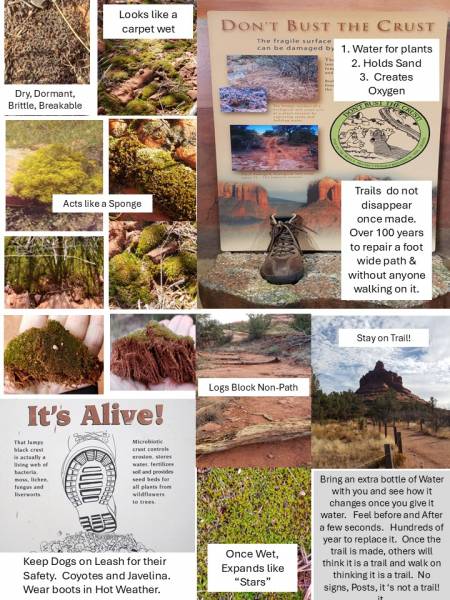
Cryptobiotic crust (also called biological soil crust or "crypto" for short) is a complex living layer composed primarily of cyanobacteria, along with lichens, mosses, and fungi. This ancient organism acts as nature's construction crew, literally building soil in one of the harshest environments on Earth. The cyanobacteria bind sand particles and rock fragments together, creating a stable surface that holds precious water against the desert floor. Without this crucial layer, water would simply run off, and the diverse plant life we see in Sedona couldn't exist.
The Remarkable Transformation
The transformation of cryptobiotic crust is nothing short of magical. When dry, it appears black and curled up—easily mistaken for dead matter or simple dirt. But the moment moisture touches it, something extraordinary happens. Within seconds, the crust unfurls into intricate star-shaped features, desperately absorbing every drop of water it can capture. It even extends straw-like structures to maximize water absorption, showcasing millions of years of evolutionary adaptation.
As the crust absorbs moisture, it changes color from black to brownish, then gradually back to black as it dries. When fully submerged in water, you can actually see it bubble—it's releasing oxygen through photosynthesis, just like any other plant. This oxygen production, combined with its water-retention properties, creates the perfect conditions for other desert vegetation to establish roots and thrive.
Why This Matters: The Foundation of Desert Ecosystems
Cryptobiotic crust is the life force of desert soil—a process that has been happening since the beginning of time. This isn't moss like you'd find in damp forests; it's something far more ancient and specially adapted to desert conditions. The crust performs several critical functions:
- Creates and stabilizes soil by binding loose sand and rock particles
- Captures and retains moisture that would otherwise evaporate or run off
- Fixes nitrogen from the atmosphere, enriching the soil for other plants
- Prevents erosion during monsoons and windstorms
- Provides the foundation for all other desert plant life to establish and grow
The Fragility Crisis
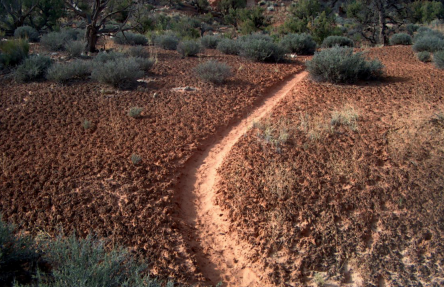
Here's the heartbreaking truth: this incredible organism is extremely fragile. A single footstep can destroy cryptobiotic crust that took decades or even centuries to develop. Once crushed, it can take 50 to 250 years to recover—if it recovers at all.
Unfortunately, in Sedona, this precious resource is being trampled daily as people create unauthorized "social trails." These new paths appear when hikers:
- Walk around slower hikers instead of being patient
- Step off trail to capture the perfect photo
- Sit under trees surrounded by vegetation
- Follow someone else's unauthorized off-trail route
- Ignore subtle barriers like placed logs or rows of rocks
Reading the Signs (Even the Subtle Ones)
Trail managers work hard to protect sensitive areas without cluttering our beautiful landscapes with excessive signage. When you see logs placed alongside the trail or rows of rocks, these are subtle but intentional barriers asking you to stay on the designated path. Signs at trailheads clearly state to remain on established trails, and these natural markers reinforce that message throughout your hike.
How You Can Help Preserve Sedona's Living Soil
The solution is simple: stay on designated trails. By keeping our feet where they belong, we allow the cryptobiotic crust to continue its ancient work of building soil, supporting vegetation, and maintaining the delicate desert ecosystem we all come to enjoy.
Here are your action steps:
- Walk single file on narrow trails—be patient with slower hikers ahead
- Take photos from the trail—the view is just as beautiful without stepping on living soil
- Respect all barriers, whether they're signs, logs, or rock rows
- Educate others kindly when you see them leaving the trail
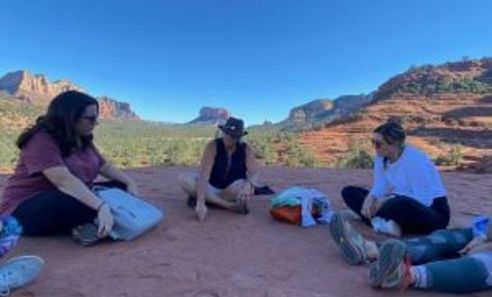
- Choose designated rest areas rather than pristine vegetated spots
A Call to Stewardship
Every time you hike in Sedona, you have a choice: to be a visitor who passes through without impact, or to be a steward who actively protects this irreplaceable resource. The cryptobiotic crust has been patiently building our desert soil for millennia—it deserves our respect and protection.
Join me in preserving this remarkable living landscape. Stay on the trails, spread the word, and help ensure that future generations can experience the same natural wonder we enjoy today. Together, we can keep Sedona's trails beautiful and its hidden heroes thriving.
Happy (and responsible) hiking!